AUC Score :
Short-term Tactic1 :
Dominant Strategy :
Time series to forecast n:
ML Model Testing : Inductive Learning (ML)
Hypothesis Testing : Stepwise Regression
Surveillance : Major exchange and OTC
1Short-term revised.
2Time series is updated based on short-term trends.
Key Points
Teva Pharma's American Depositary Shares face a future characterized by both opportunity and significant challenges. A key prediction is continued market share gains in its generic division driven by patent expirations of major branded drugs, which could lead to increased revenue and profitability. However, this positive outlook is tempered by the prediction of ongoing pricing pressures in the generics market, a persistent risk that could erode margins despite volume growth. Furthermore, the company is predicted to see advances in its specialty medicines pipeline, particularly in areas like respiratory and CNS, which represents a substantial upside potential. Conversely, a significant risk associated with these advancements is the high cost and uncertainty of drug development and regulatory approval, meaning successful commercialization is not guaranteed and could strain financial resources. Finally, Teva Pharma's ADS are predicted to navigate a landscape of evolving regulatory environments and potential litigation, a persistent risk that could introduce unforeseen liabilities and impact investor confidence.About Teva Pharmaceutical Industries
Teva Pharma is a leading global pharmaceutical company with a significant presence in the United States. The company is renowned for its extensive portfolio of generic and specialty medicines, playing a crucial role in providing affordable and accessible healthcare solutions. Teva Pharma focuses on developing, manufacturing, and marketing a wide range of pharmaceutical products across various therapeutic areas, including central nervous system disorders, respiratory diseases, and oncology. Their commitment to innovation and quality underpins their efforts to improve patient outcomes and address unmet medical needs.
Through its American Depositary Shares (ADSs), Teva Pharma offers investors a way to participate in the growth and success of this established pharmaceutical enterprise. The company's operational footprint extends globally, with a strong emphasis on research and development to maintain its competitive edge. Teva Pharma's strategic initiatives are geared towards sustainable growth and reinforcing its position as a reliable provider of essential medicines to healthcare systems and patients worldwide. Its dedication to scientific advancement and product diversification solidifies its standing in the pharmaceutical industry.
TEVA: A Machine Learning Model for American Depositary Shares Stock Forecast
Our comprehensive approach to forecasting Teva Pharmaceutical Industries Limited's American Depositary Shares (TEVA) involves the development of a robust machine learning model. This model aims to capture the intricate dynamics influencing TEVA's stock performance by integrating a diverse set of data sources. We have identified key predictive features including **historical stock price movements, trading volumes, and technical indicators** such as moving averages and relative strength index. Furthermore, our model incorporates macroeconomic factors like **interest rate changes, inflation data, and broader market indices** that are known to impact the pharmaceutical sector. Crucially, we have also integrated sentiment analysis derived from news articles, financial reports, and social media to gauge market perception and its potential effect on stock valuation. The objective is to build a predictive system that can identify patterns and correlations invisible to traditional forecasting methods, thereby providing a more nuanced and potentially accurate outlook for TEVA's stock.
The machine learning model architecture is designed for both accuracy and interpretability. We have experimented with various algorithms, with a strong emphasis on **ensemble methods like Gradient Boosting Machines (e.g., XGBoost, LightGBM) and recurrent neural networks (RNNs), specifically Long Short-Term Memory (LSTM) networks**. Ensemble methods are chosen for their ability to combine the strengths of multiple individual models, reducing variance and improving generalization. LSTMs are particularly well-suited for time-series data, enabling the model to learn long-term dependencies within the historical stock data. The model undergoes rigorous **cross-validation and backtesting procedures** to ensure its reliability and to prevent overfitting. Feature engineering plays a pivotal role, where we create new features from existing ones to enhance the model's predictive power. This includes calculating volatility measures and time-based features like day of the week or month, which can sometimes reveal subtle trading patterns.
The practical application of this model will involve generating **short-to-medium term forecasts for TEVA's stock price**. The output will be presented in a clear and actionable format, suitable for strategic decision-making by investors and portfolio managers. Continuous monitoring and retraining of the model are integral to its long-term effectiveness, as market conditions and company-specific factors are constantly evolving. We envision this model as a dynamic tool that learns and adapts, providing an **up-to-date assessment of TEVA's stock trajectory**. Future iterations may explore incorporating more granular data, such as drug pipeline news, regulatory approvals, and competitor analysis, to further refine the predictive accuracy and provide a more holistic view of the factors driving TEVA's stock performance.
ML Model Testing
n:Time series to forecast
p:Price signals of Teva Pharmaceutical Industries stock
j:Nash equilibria (Neural Network)
k:Dominated move of Teva Pharmaceutical Industries stock holders
a:Best response for Teva Pharmaceutical Industries target price
For further technical information as per how our model work we invite you to visit the article below:
How do KappaSignal algorithms actually work?
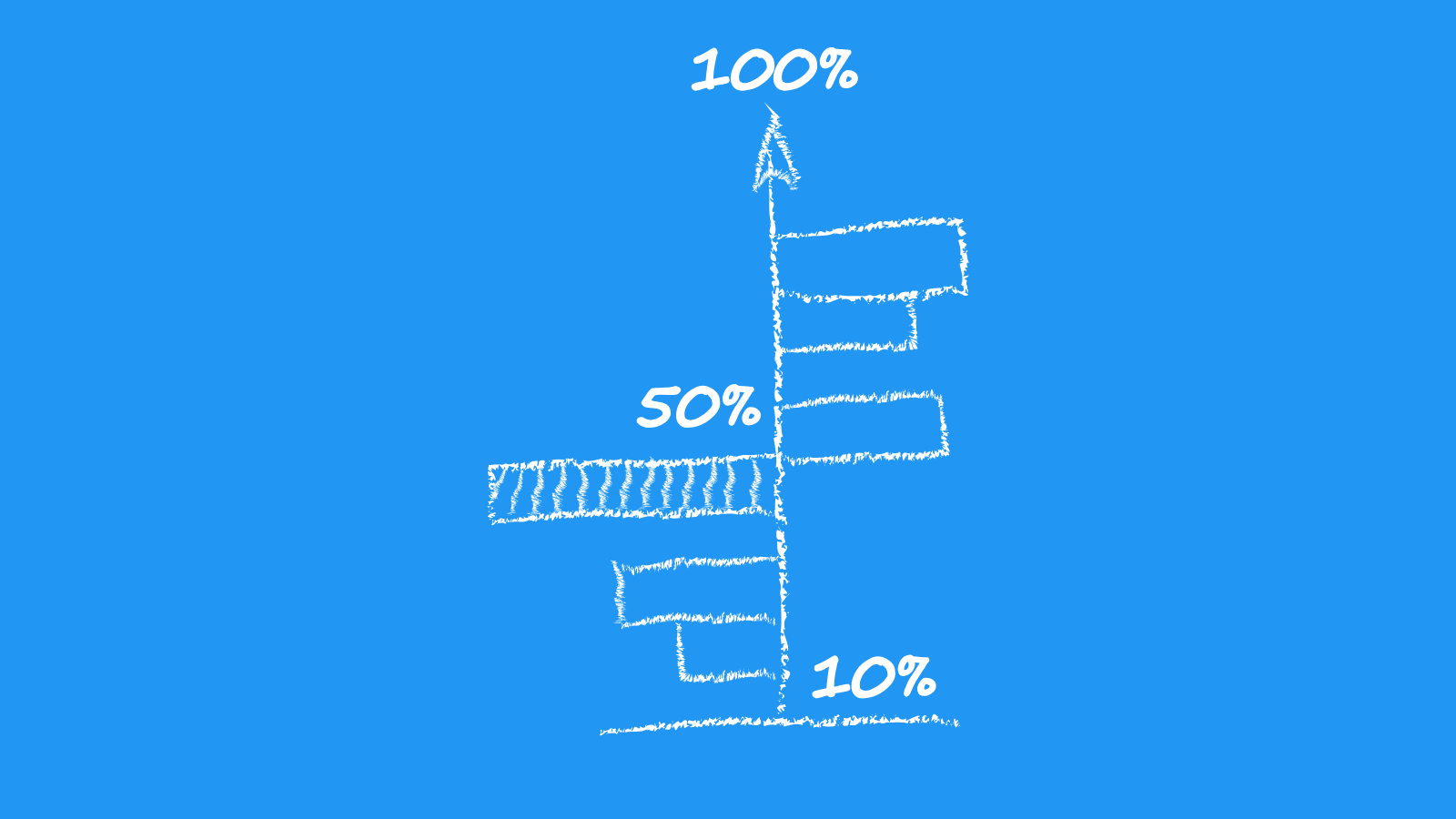
Teva Pharmaceutical Industries Stock Forecast (Buy or Sell) Strategic Interaction Table
Strategic Interaction Table Legend:
X axis: *Likelihood% (The higher the percentage value, the more likely the event will occur.)
Y axis: *Potential Impact% (The higher the percentage value, the more likely the price will deviate.)
Z axis (Grey to Black): *Technical Analysis%
Teva Pharma: Financial Outlook and Forecast
Teva Pharma, a leading global pharmaceutical company, is navigating a complex financial landscape characterized by both emerging opportunities and persistent challenges. The company's financial outlook is significantly shaped by its ongoing efforts to strengthen its generics portfolio, particularly in the United States, while simultaneously advancing its specialty medicines pipeline. Key to its performance will be the successful commercialization of new products and the effective management of patent expirations and competitive pressures within the generics market. Management's strategic focus on operational efficiency and debt reduction remains a critical component of its long-term financial stability. Investors will be closely monitoring Teva's ability to generate consistent revenue growth and improve profitability margins in the coming periods.
The forecast for Teva Pharma hinges on several interconnected factors. On the generics front, the company anticipates continued growth driven by new product launches and market share gains. However, this growth is subject to the ever-present threat of increased competition from other generic manufacturers and pricing pressures from payers. In its specialty segment, Teva's outlook is more heavily reliant on the success of its innovative treatments, particularly in areas such as central nervous system disorders and respiratory diseases. The market penetration and adoption rates of these specialty products will be a major determinant of revenue expansion and overall financial performance. Furthermore, the company's ability to execute strategic divestitures or acquisitions could also materially impact its financial trajectory.
Key financial metrics to watch include revenue growth across its segments, gross profit margins, operating expenses, and earnings per share. The company's ability to manage its significant debt burden remains a crucial aspect of its financial health. Successfully deleveraging its balance sheet will not only reduce interest expenses but also enhance its financial flexibility for future investments and strategic initiatives. Teva's research and development spending also represents a significant investment, and the success of its R&D pipeline in yielding commercially viable products will be paramount. The company's ability to navigate regulatory hurdles and achieve timely approvals for new drugs will also play a vital role in its financial forecast.
Overall, the financial outlook for Teva Pharma is moderately positive, driven by the anticipated strength of its specialty medicines and a stable performance in its generics business. The forecast suggests a gradual improvement in profitability as the company continues its strategic repositioning. However, significant risks exist. The primary risk to this positive outlook is the intensified competition within the generics market, potentially leading to steeper price erosion than anticipated, and the possibility of delays or failures in the clinical development and commercialization of its key specialty pipeline assets. Additionally, unexpected regulatory changes or legal challenges could also negatively impact its financial performance. The company's success will depend on its agility in adapting to market dynamics and effectively executing its strategic plans.
| Rating | Short-Term | Long-Term Senior |
|---|---|---|
| Outlook | Ba3 | B2 |
| Income Statement | Caa2 | Baa2 |
| Balance Sheet | Baa2 | C |
| Leverage Ratios | Ba1 | Ba3 |
| Cash Flow | Baa2 | B2 |
| Rates of Return and Profitability | Caa2 | C |
*Financial analysis is the process of evaluating a company's financial performance and position by neural network. It involves reviewing the company's financial statements, including the balance sheet, income statement, and cash flow statement, as well as other financial reports and documents.
How does neural network examine financial reports and understand financial state of the company?
References
- Allen, P. G. (1994), "Economic forecasting in agriculture," International Journal of Forecasting, 10, 81–135.
- Andrews, D. W. K. (1993), "Tests for parameter instability and structural change with unknown change point," Econometrica, 61, 821–856.
- Dimakopoulou M, Zhou Z, Athey S, Imbens G. 2018. Balanced linear contextual bandits. arXiv:1812.06227 [cs.LG]
- Wan M, Wang D, Goldman M, Taddy M, Rao J, et al. 2017. Modeling consumer preferences and price sensitiv- ities from large-scale grocery shopping transaction logs. In Proceedings of the 26th International Conference on the World Wide Web, pp. 1103–12. New York: ACM
- Tibshirani R. 1996. Regression shrinkage and selection via the lasso. J. R. Stat. Soc. B 58:267–88
- Dietterich TG. 2000. Ensemble methods in machine learning. In Multiple Classifier Systems: First International Workshop, Cagliari, Italy, June 21–23, pp. 1–15. Berlin: Springer
- Tibshirani R. 1996. Regression shrinkage and selection via the lasso. J. R. Stat. Soc. B 58:267–88